
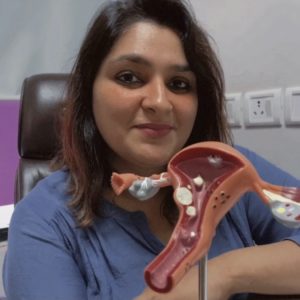

Polycystic Ovary Syndrome (PCOS) is one of the most commonly diagnosed endocrine conditions among women of reproductive age, yet it remains significantly misunderstood. Some patients discover they have PCOS due to chronic menstrual irregularities, while others seek clinical advice for metabolic shifts such as sudden weight gain, persistent adult acne, or hirsutism. For a substantial number, the diagnosis is only uncovered during a medical evaluation for prolonged difficulties trying to conceive.
The clinical complexity of PCOS lies in its heterogeneous presentation; it does not manifest identically in every individual. One patient may experience severe menstrual irregularity while maintaining a typical Body Mass Index (BMI), whereas another may cycle regularly but face profound ovulatory dysfunction. Consequently, PCOS is best understood not as a single localized disease, but as a complex, multifaceted hormonal and metabolic syndrome.
Fortunately, with a timely diagnosis, evidence-based lifestyle changes, and highly individualised medical care, the symptoms of PCOS can be successfully managed, effectively safeguarding long-term reproductive and metabolic health.
Table of Contents
Toggle1. Clinical Definition of PCOS
PCOS stands for Polycystic Ovary Syndrome. It is characterized by an endocrine disruption that compromises normal ovarian function. In clinical practice, diagnosis is typically established utilizing standardized diagnostic criteria (such as the Rotterdam Criteria), which require a patient to present with at least two of the following findings:
- Ovulatory Dysfunction: Irregular, infrequent (oligomenorrhea), or completely absent menstrual periods (amenorrhea), reflecting inconsistent or absent egg release.
- Hyperandrogenism: Elevated clinical or biochemical levels of male hormones (androgens), resulting in signs like male-pattern hair growth or persistent cystic acne.
- Polycystic Ovaries: Ultrasound confirmation showing multiple small (2–9 mm) undeveloped follicles arranged along the periphery of the ovary, often mimicking a “string of pearls.”
Clinical Note: Despite the terminology, the “cysts” in PCOS are actually small, harmless, immature follicles that failed to mature and ovulate. Having ovarian cysts alone does not automatically constitute a diagnosis of PCOS, nor does an absence of cysts rule it out entirely.
2. Common Symptoms & Systemic Manifestations
Symptoms vary considerably from person to person. While some individuals experience only mild metabolic shifts, others face multiple synchronous health concerns:
- Irregular Menstruation: Cycles may be delayed, unpredictable, or absent for consecutive months due to anovulation.
- Ovulatory Infertility: Erratic or absent ovulation naturally reduces the windows of availability for conception, making PCOS one of the leading causes of female infertility.
- Metabolic Weight Gain: Characterized by increased abdominal adiposity and a distinct difficulty losing weight, driven primarily by underlying insulin resistance.
- Dermatological Changes: Elevated circulating androgens stimulate hyperactive oil glands, resulting in adult acne (often clustered around the jawline) and oily skin.
- Hirsutism: The development of coarse, dark hair in androgen-dependent zones, including the face, upper lip, chest, abdomen, and back.
- Androgenic Alopecia: Hormonal imbalances can cause progressive thinning of hair at the crown and scalp, mimicking male-pattern baldness.
- Acanthosis Nigricans: The appearance of velvety, hyperpigmented skin patches in areas such as neck folds, armpits, and the groin—a reliable cutaneous sign of insulin resistance.
3. Primary Pathophysiological Drivers
While the exact cause of PCOS remains incompletely understood, current clinical research points directly to three deeply interconnected physiological factors:
| Pathophysiological Factor | Mechanism of Action |
|---|---|
| Insulin Resistance | The body’s cells exhibit a blunted response to insulin, forcing the pancreas to overproduce it. Excess circulating insulin acts directly on the ovaries, triggering them to produce excess testosterone and halting standard follicle development. |
| Genetic Predisposition | PCOS exhibits a strong familial link. Individuals with a history of PCOS, Type 2 diabetes, or premature metabolic syndrome among first-degree relative lineages show a statistically higher likelihood of development. |
| Hormonal Feedback Loops | Abnormal signaling within the Hypothalamic-Pituitary-Ovarian (HPO) axis leads to an elevated ratio of Luteinizing Hormone (LH) relative to Follicle-Stimulating Hormone (FSH), preventing regular egg maturity and release. |
4. Nutritional Architecture for PCOS Management
Dietary modification is not intended for extreme calorie restriction or sudden weight loss; rather, it is strategically designed to optimize insulin sensitivity, mitigate systemic inflammation, and stabilize blood sugar variations throughout the day.
| Foods to Prioritize | Foods to Strategically Limit |
|---|---|
|
|
Clinical Truth on “Lean PCOS”: It is a major medical misconception that a patient must be overweight to have PCOS. Individuals maintaining a standard or lean BMI can still present with severe hyperandrogenism, cystic ovaries, and ovulatory infertility. Treatment models must be custom-tailored to the patient’s biochemical markers rather than generic weight loss protocols.
5. A Step-Wise Approach to Fertility & Conception
While PCOS introduces clear fertility barriers, it is highly treatable. Modern reproductive medicine offers a structured, step-wise sequence of clinical options designed to restore regular ovulation and facilitate healthy pregnancies:
- Lifestyle & Metabolic Optimization (First Line): The therapeutic foundation involves restructuring sleep hygiene, targeted stress mitigation, and regular physical activity (combining resistance and aerobic training) to naturally lower insulin resistance and restore spontaneous ovarian cycling.
- Controlled Ovulation Induction (Pharmacological Support): When lifestyle adaptations require assistance, oral medications such as Letrozole or Clomiphene Citrate are prescribed. These medications prompt the selection and release of a dominant, mature egg follicle, monitored via serial pelvic ultrasounds.
- Intrauterine Insemination (IUI – Assisted Insemination): If ovulation is achieved but conception is delayed, or if a mild partner fertility factor is co-present, IUI can be introduced. The partner’s sperm is washed and concentrated in the laboratory, then deposited directly into the uterine cavity precisely at the time of confirmed ovulation.
- In Vitro Fertilization (IVF & ICSI – Advanced Care): For complex cases or when other treatments have failed, IVF offers high success rates. Egg development is stimulated using specialized gonadotropin protocols, eggs are retrieved directly, fertilized in a controlled laboratory setting (via ICSI), and the healthiest embryo is selected for transfer. Patients with PCOS generally respond very well to IVF, yielding an excellent quantity of eggs when monitored safely to avoid Ovarian Hyperstimulation Syndrome (OHSS).
6. Long-Term Health Considerations Outside of Pregnancy
PCOS is an endocrine condition requiring lifelong awareness. Managing the syndrome remains vital even if building a family is not a current goal, as unmanaged clinical PCOS elevates long-term risks for developing Type 2 Diabetes, hypercholesterolemia, metabolic syndrome, obstructive sleep apnea, and endometrial problems due to prolonged unopposed estrogen exposure.
7. Comprehensive Care at Grace Fertility
You do not have to map out your journey with PCOS in isolation. At Grace Fertility, situated in Gurgaon, under the clinical leadership of renowned fertility specialist Dr. Reubina Singh, we provide meticulous, empathetic, and evidence-based diagnostic profiling and individualised treatment suites.
Our dedicated clinic proudly delivers localized care packages including:
- Advanced PCOD/PCOS therapeutic management
- Comprehensive fertility assessments & ovarian reserve profiling
- Precision follicular tracking & ovulation monitoring
- High-success Intrauterine Insemination (IUI) frameworks
- Advanced IVF & ICSI procedures within highly regulated environments
Empower your endocrine health journey today. If you are looking to navigate irregular cycles, manage metabolic shifts, or address ongoing fertility hurdles, arrange a formal clinical evaluation with Dr. Reubina Singh to establish an individualised treatment protocol that works safely and effectively for your body.